
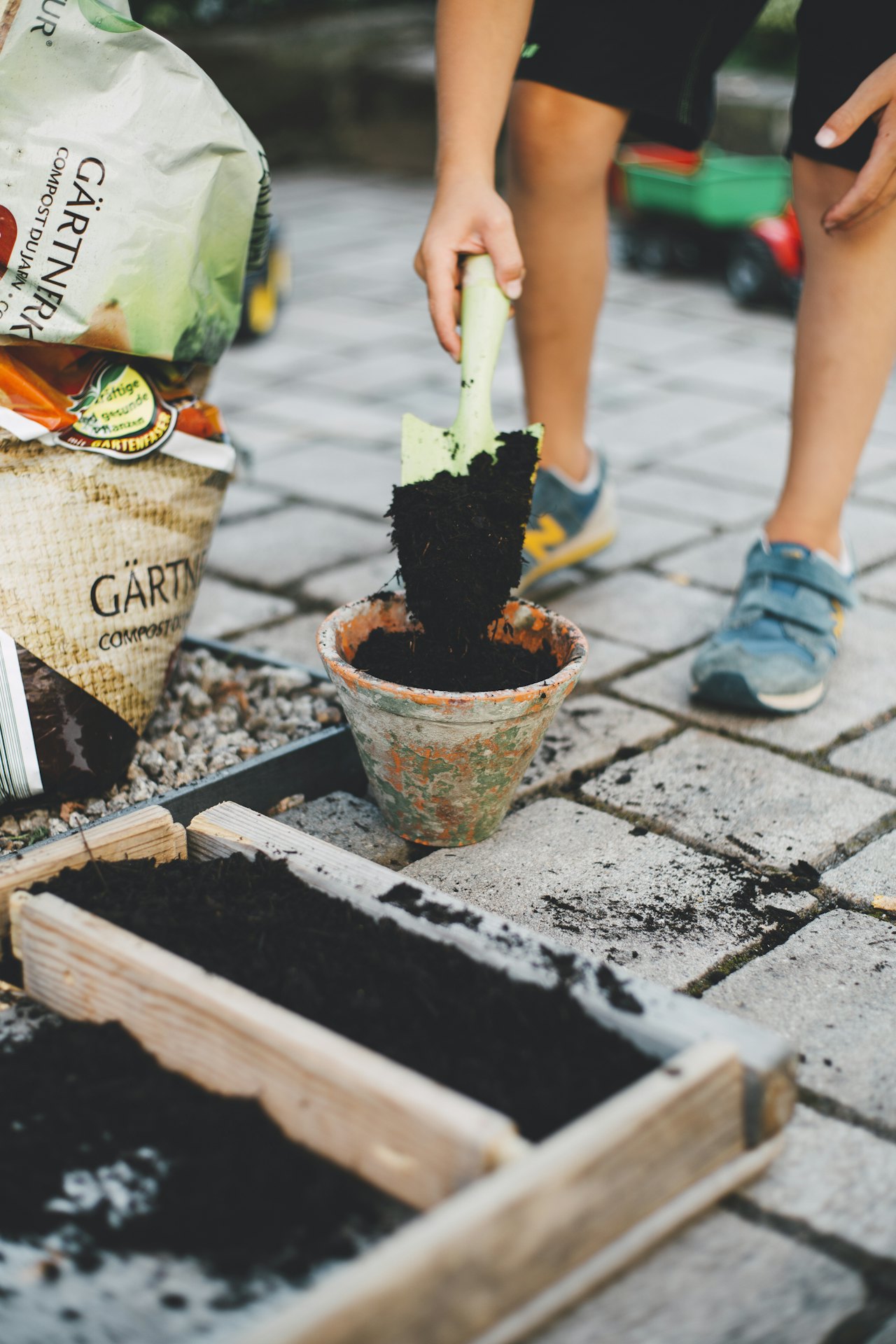
Many dedicated services and resources are available out there for community food growing and here we have listed some of them. This is not a complete list by any means and if there are others that we should include here, please let us know by contacting us

Draft Briefing: The role of councils in Community Food Growing
Sustain is the alliance for better food and farming, representing over 100 food and farming organisations and have been supporting local areas to develop food growing projects and programmes since 2008.

You are what you eat. Incredible Edible’s vision is to create kind, confident and connected communities through the power of food.
Our focus is on London and borough-wide planning and action to feed ALL in need.
Incredible Edible Wikipedia Page
The Incredible Edible project is an urban gardening project which was started in 2008 by Pamela Warhurst, Mary Clear and a group of like minded people in Todmorden, West Yorkshire, UK.

News, research and resources from Institute for Sustainable Food at University of Sheffield.
Urban Land can grow fruit and veg for 15% of population
Our vision is for an empowered network of people transforming Lambeth with an abundance of healthy food grown in a thriving, biodiverse environment.

Rurban Revolution by Lancaster University, Cranfield University and University of Liverpool is an interdisciplinary project focused on the transformative potential of urban greening and food growing.

Made In Hackney believes in a world where everyone has access to enough nutritious food of their preference; where plant-centred eating is the norm not the exception; and equitable food systems support healthy eco-systems that allow people, planet and animals to thrive.

ShefFood is the sustainable food partnership for Sheffield. We are a cross-sector partnership of local public agencies, businesses, academic and community organisations committed to working together to create a more sustainable food system for Sheffield.

Wen is the Women’s Environmental Network, an environmental charity working on issues that connect women, health, equity and environmental justice. We take an intersectional feminist approach to tackling the climate and nature emergencies.

Nature Food aims to provide researchers and policy-makers with a breadth of evidence and expert narratives on optimising and securing food systems for the future.
This research by Dr Jill Edmondson, showing how urban areas can produce significant amounts of food. For example, ‘The hidden potential of urban horticulture’ published in Nature in March 2020 looked at Sheffield. To quote “Urban areas offer considerable potential for horticultural food production, but questions remain about the availability of space to expand urban horticulture and how to sustainably integrate it into the existing urban fabric. We explore this through a case study which shows that, for a UK city, the space potentially available equates to more than four times the current per capita footprint of commercial horticulture. Results indicate that there is more than enough urban land available within the city to meet the fruit and vegetable requirements of its population.”
Another study also in Nature in March 2020 did research in Bedford, Luton and Milton Keynes estimating current food production in urban areas. “Here we provide the first comprehensive estimate of potential food production in a UK urban landscape from land currently used for some form of food production: allotment sites, private residential gardens and urban fruit trees.”

Potential of urban green spaces for supporting horticultural production: a national scale analysis. Lael E Walsh, Bethan R Mead, Charlotte A Hardman, Daniel Evans, Lingxuan Liu, Natalia Falagán, Sofia Kourmpetli and Jess Davies

Just in Case: 7 steps to narrow the UK civil food resilience gap. This report considers what would be entailed for the public if the status quo were disrupted. What would public reactions be? How prepared for food shocks are the British? Specifically, it sets out a challenge: the necessity to take food shocks more seriously and how to improve civil food resilience
Future Directions for Urban Agroecology: Ten Gamechangers 2025-2030.

Waltham Forest Food Growing Strategy